Get the app
 Register CV
When the temperature rises, teaching can quickly become more challenging. Warm classrooms, tired pupils and the excitement of the end of term are not exactly the ideal recipe for focused learning.
While we cannot control the weather or install air conditioning overnight, there are plenty of simple ways to make the school day more comfortable for everyone.
Whether you are navigating the final few weeks of the summer term or preparing for the next UK heatwave, these practical tips can help keep your classroom cool, calm and running smoothly.
Watch our Keeping Classrooms Cool in a Heatwave video on YouTube
1. Adjust your expectations
Hot weather affects everyone differently, but concentration can often take a hit.
Pupils may become restless, tired or easily distracted when classrooms are uncomfortably warm. Rather than trying to push through an ambitious lesson plan, think about adapting your expectations.
This does not mean lowering standards. It means working with the conditions instead of against them.
You could:
-
Choose quieter, independent activities during the hottest part of the day.
-
Break learning into shorter, more manageable chunks.
-
Allow a little more time for transitions and instructions.
-
Focus on maintaining routines and celebrating progress.
Sometimes, reaching the end of the day with pupils feeling safe, settled and supported is a success in itself.
2. Keep the water flowing
Staying hydrated is one of the simplest ways to help children cope with hot weather.
Rather than waiting for pupils to ask for a drink, build regular water breaks into the daily routine. Younger children, in particular, may become absorbed in activities and forget they are thirsty.
Simple ways to encourage hydration include:
-
Scheduling regular bottle refill opportunities.
-
Reminding pupils to take a few sips between activities.
-
Allowing water bottles on desks where school policy permits.
-
Encouraging children to drink before heading outside.
Do not forget about yourself either. Teachers and support staff are very good at reminding everyone else to drink while forgetting to do the same themselves.
3. Make small changes around the classroom
Most UK classrooms were not designed for prolonged periods of hot weather, but a few small changes can still help.
Before the room heats up:
-
Close blinds or curtains on windows receiving direct sunlight.
-
Open windows early in the morning where it is safe to do so.
-
Use fans safely to improve airflow.
-
Switch off unnecessary projectors, chargers and interactive displays.
-
Move pupils away from the sunniest areas of the room where possible.
If your school has a cooler library, hall or shaded space available, it may also be worth asking whether your class can use it for part of the day.
4. Prioritise wellbeing
Hot weather can affect children and adults more quickly than we sometimes expect.
Keep an eye out for pupils and colleagues who may be struggling. Signs that someone may be affected by the heat can include:
-
Headaches
-
Dizziness
-
Unusual tiredness
-
Nausea
-
Confusion
-
Irritability
-
Pale or clammy skin
If you are concerned about a child, always follow your school’s medical, safeguarding and first-aid procedures and seek appropriate support.
Regular rest, hydration and access to cooler spaces can help reduce discomfort before it becomes more serious.
5. Make the most of outdoor learning safely
If your timetable allows, spending some time outside may feel cooler than sitting in a stuffy classroom, provided there is enough shade.
Reading sessions under a tree, nature activities or quiet discussion groups can offer a welcome change of scenery while helping pupils stay engaged.
Remember to follow your school’s sun-safety guidance. Encourage pupils to use shaded areas, wear hats where appropriate and avoid strenuous activities during the hottest part of the day.
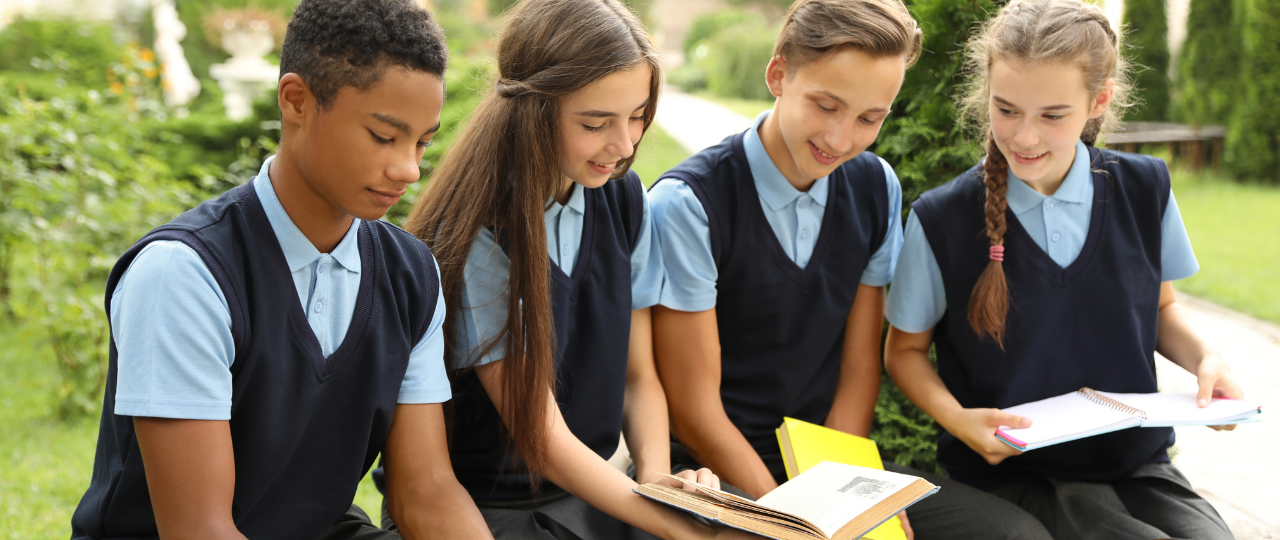
6. Choose calm, low-energy activities
High-energy activities can quickly make a warm classroom feel even hotter.
During the warmest part of the day, consider choosing tasks that keep pupils engaged without creating lots of movement, noise or excitement.
Suitable options could include:
-
Independent reading
-
Paired discussion
-
Creative writing
-
Drawing or design activities
-
Quiet quizzes
-
Listening tasks
-
Reflection activities
-
Small-group problem-solving
These activities can help maintain a productive atmosphere while making the classroom feel calmer and more manageable.
Gentle movement can still be useful if pupils are becoming restless. Try seated stretches, shoulder rolls or a short breathing exercise rather than an energetic classroom game.
7. Check in with pupils regularly
Children may not always recognise or explain that they are struggling with the heat.
Build simple check-ins into the day so pupils have regular opportunities to tell you how they are feeling.
You could ask:
-
Does anyone need a drink?
-
Is anyone feeling dizzy, tired or unwell?
-
Is the sunlight bothering anyone?
-
Would anyone benefit from moving to a cooler seat?
-
Does the class need a short pause?
A quick check-in can help you spot concerns early and shows pupils that their comfort and wellbeing matter.
It can also be useful to remind children that they should speak up if they begin to feel unwell, rather than waiting until their symptoms become more serious.
8. Keep instructions short and clear
Processing information can become harder when pupils are hot and tired.
Try to keep instructions simple, break tasks into clear steps and avoid giving too much information at once.
It may help to:
-
Display instructions on the board.
-
Give pupils one task at a time.
-
Use short checklists.
-
Repeat the most important points.
-
Allow extra thinking time.
-
Check understanding before moving on.
This can reduce frustration and help lessons feel calmer for both pupils and staff.
A little flexibility can go a long way
The final stretch of term can already feel demanding, and hot weather adds another layer of pressure.
Not every lesson will go exactly to plan. Pupils may need more reminders, more breaks and more reassurance than usual.
That is okay.
The priority is to create a safe, calm and supportive environment where pupils can continue learning as comfortably as possible. A little flexibility, plenty of water and a few practical changes can make a real difference.